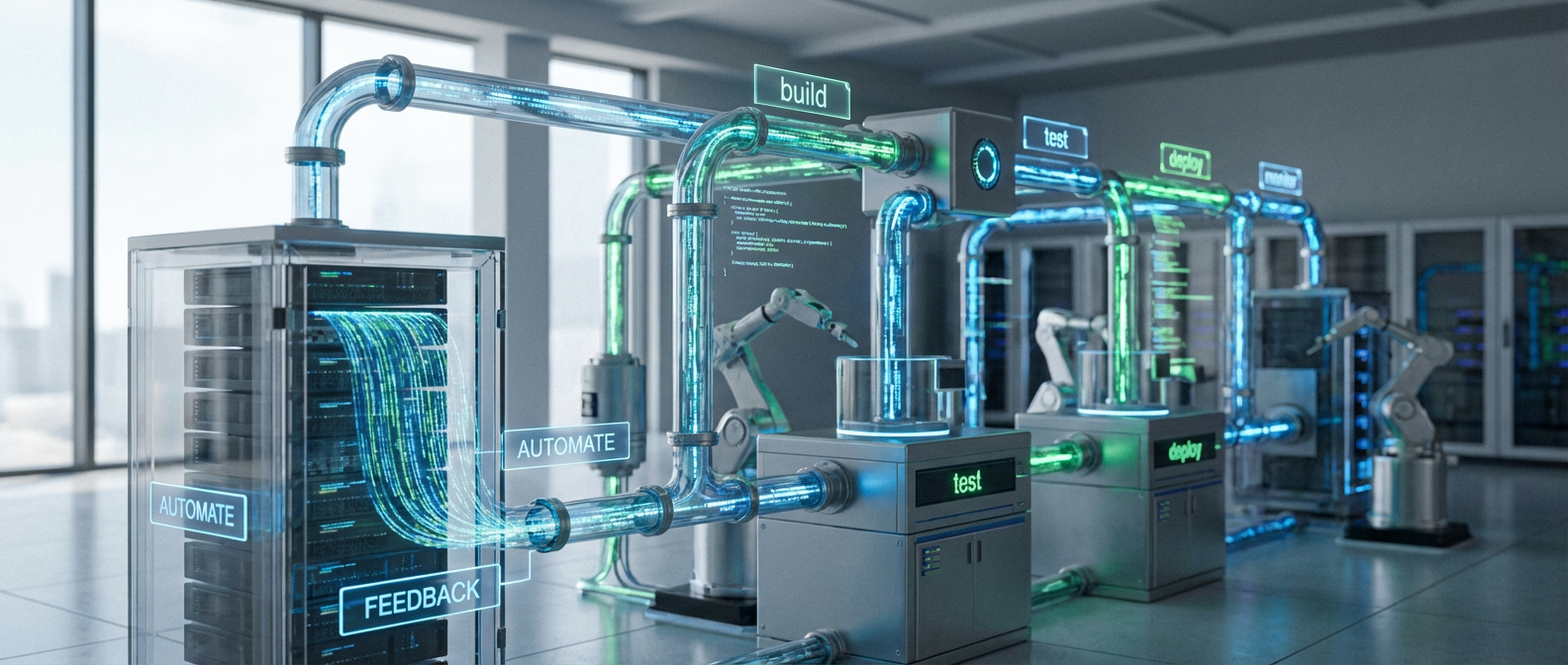
The War Story: Containerisation and platform engineering trends

The War Story: Containerisation and platform engineering trends

The evidence tells a more specific story when you dig into it. Containerisation and platform engineering deserve more careful attention than they usually get, and the reason is pretty straightforward once you see it.

The data worth focusing on isn’t the headline number. What really matters is that Docker Desktop usage has stayed steady despite all the licensing drama. When you look at what’s actually happening, that’s the more accurate read of the situation.

The War Story: Containerisation and platform engineering trends

The Report: Setting the Terms

Kubernetes adoption hitting 84% of organisations running containers isn’t just another data point. It’s the foundation that makes everything else in this story make sense. This kind of context doesn’t age quickly. The conditions that created it have been building for years, and it’s this convergence that makes now different from previous moments that looked similar from the outside.

Docker Desktop usage stays steady despite licensing controversy. Platform engineering teams keep growing to handle infrastructure complexity. Look at both together and a pattern emerges that the CNCF landscape has been tracking: these conditions are more solid than they first appear, and the implications go way beyond the immediate headlines.

To understand why this matters, compare what was true three years ago to what’s true now. The difference isn’t just in the numbers, it’s qualitative. The players, the infrastructure, the incentive structures have all shifted in ways that build on each other rather than cancel out. That compounding effect is what’s really worth tracking.

What makes this moment worth examining isn’t the novelty but the confirmation. The underlying dynamics have been visible for a while. What’s new is that they’ve hit a threshold where ignoring them takes deliberate effort rather than just not paying attention. That threshold crossing is the real event, not the movement that got us here.

And eBPF enabling observability without code instrumentation at the kernel level is part of the same picture. These elements aren’t happening in isolation, they’re reinforcing conditions in the same structural shift.

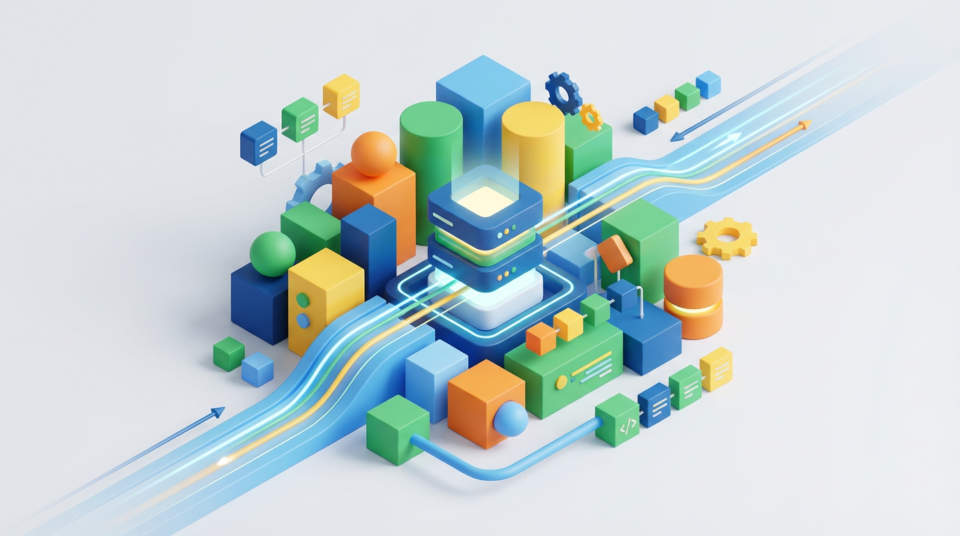
Illustration for The War Story: Containerisation and platform engineering trends

The War Story: The Analysis

eBPF enabling observability without code instrumentation at the kernel level is where things get specific. The surface reading is accessible and not wrong, but it misses how this actually works. And the mechanism is where the practical insight lives. The real story isn’t the headline number but how Wasm workloads are gaining momentum on the server side, outside the browser. Understanding that changes what you do with the information.

Think about what Wasm workloads gaining momentum on the server side actually means in context. This isn’t some random correlation. It’s a downstream result of structural factors that have been building up. Previous attempts to read similar situations failed because they treated the symptom as the cause. The structural explanation is less exciting as a headline but way more useful for actual analysis.

The comparison to previous cycles is helpful precisely because of where it breaks down. Similar-looking conditions resolved differently before because the foundation was different. GitOps practices are now standard at organisations with mature DevOps cultures. That’s a foundation change, the kind that alters how elastic the system is, not just where it sits right now. Recognising that difference separates real analysis from pattern-matching.

The skeptical counterargument deserves honest engagement: previous moments with similar surface characteristics didn’t produce the outcomes that seemed logical at the time. That history is real. What’s different now is that GitOps practices are standard at organisations with mature DevOps cultures. That’s not a minor variable, it’s the infrastructure condition that previous cycles lacked. Infrastructure changes tend to stick around in ways that sentiment-driven changes don’t. Kubernetes documentation is one source tracking this with the rigour it needs.

There’s also a distribution question that often gets ignored in coverage of containerisation and platform engineering: who captures the value from these shifts, and who absorbs the disruption costs? The big picture can be positive while the distribution is uneven in ways that matter enormously to specific participants. Keeping that lens in view is part of reading the situation clearly rather than just optimistically.

Implications: What This Means If You Care About Incident reports

The implications of containerisation and platform engineering trends go beyond the immediate context. Kubernetes adoption at 84% of organisations running containers combined with the structural conditions described above creates a situation where adjacent fields, decisions, and communities get affected in ways that aren’t always visible from inside the main story. The second-order effects are often more important than the first-order ones. They’re where careful attention pays the highest returns.

Here’s where this analysis departs from mainstream coverage: platform engineering teams growing to handle infrastructure complexity is a leading indicator, not a lagging one. The people positioned to respond to what this signals, rather than what it confirms, are the ones who will be less surprised by what comes next.

The practical response depends heavily on where you sit relative to these dynamics. For those closest to the core of containerisation and platform engineering, the implications are immediate and operational. For those further out, the implications are strategic. It’s about understanding which adjacent pressures are building and which assumed stabilities are more fragile than they appear.

The practical question isn’t whether to engage with these dynamics but how. The answer depends on context, on what role you occupy relative to containerisation and platform engineering and what your actual decision horizon looks like. But the first step is the same regardless: accurate understanding of what’s actually happening rather than what the most available narrative says is happening.

A few concrete observations worth separating from the broader analysis. First: Docker Desktop usage staying steady despite licensing controversy isn’t temporary, it’s a new baseline. Second: Wasm workloads gaining momentum on the server side suggests the adjustment period isn’t over. Third, and most important: organisations and individuals treating the current moment as a new steady state rather than a transition are making a categorisation error that will be costly to unwind later.

The Case Against: What the Critics Get Right

Intellectual honesty means acknowledging the strongest counterarguments, not just the weakest ones. The case against the optimistic reading of containerisation and platform engineering isn’t trivial. There are structural vulnerabilities in the current picture that deserve direct engagement rather than dismissal.

The most serious objection is about sustainability. Platform engineering teams growing to handle infrastructure complexity can be read not as a foundation but as a ceiling. A point beyond which growth becomes self-limiting because of the very dynamics that created it. If the current state has already incorporated most of the available early-adopting participants, the remaining growth curve may be structurally shallower than recent trajectory suggests.

There’s also the policy and regulatory dimension. Kubernetes adoption at 84% of organisations running containers describes a condition in a relatively permissive environment. Regulatory responses to the scale implied by these numbers aren’t inevitable, but they’re not implausible either. Organisations planning as though the current regulatory environment is permanent are making an assumption that the history of fast-growing sectors doesn’t support.

The response to these concerns isn’t that they’re wrong, it’s that they’re already partially priced into the current state of the field. GitOps practices now being standard at organisations with mature DevOps cultures reflects an environment where participants are already adapting to constraints rather than operating in an unconstrained space. The adjustment capacity of the ecosystem is higher than a purely top-down view of the risks suggests.

Looking Forward

The trajectory here is clearer than the pace. Making predictions about when specific thresholds will be crossed is genuinely difficult. Anyone claiming precision about timelines should be treated with skepticism. But the direction toward higher Kubernetes adoption and continued development of the conditions described above is supported by evidence in a way that doesn’t depend on a single variable going right.

GitOps practices now being standard at organisations with mature DevOps cultures is the variable to watch as the leading indicator. Historical patterns suggest it moves first, with broader metrics following with some lag. This doesn’t make the outcome certain, but it makes it readable. And readability is what you need for good decisions.

Three questions are worth holding as the story develops. First: are the structural conditions that enabled the current state durable, or are they cyclical? Second: who’s positioned to benefit from the next phase, and does that differ materially from who benefited in the current phase? Third: what would a clean falsification of the optimistic thesis look like, and is there any evidence of that signal emerging? These questions don’t need answers today, but asking them changes what you notice in the months ahead.

The analysis holds up under scrutiny, which is the only test that matters. The current moment in containerisation and platform engineering is one where people who have built an accurate model of the underlying dynamics are better positioned than people relying on the surface story. Building that model isn’t quick work, but it’s doable. This analysis is intended as one input into it.

What’s the production failure that taught you the most? The comments are

The Opinion Post: Containerisation and platform engineering trends

The evidence, examined carefully, tells a more specific story. The topic of containerisation and platform engineering trends rewards more careful attention than the typical coverage provides, and the reason is not complicated once you know where to look.

The data worth focusing on is not the headline number. What matters is Docker Desktop usage steady despite licensing controversy. The confident read of the situation is also the more accurate one once you examine what the evidence actually shows.

The Stance: Setting the Terms

Kubernetes adoption at 84 percent of organisations running containers isn’t just another data point. It’s the structural condition that makes everything else in this analysis legible. Context like this doesn’t age quickly. The conditions that produced it have been building for years, and the convergence is what makes the current moment distinct from previous moments that looked similar from a distance.

Docker Desktop usage steady despite licensing controversy. Platform engineering teams growing to abstract infrastructure complexity. When you look at both together, a pattern emerges that CNCF landscape has been covering from the inside: the conditions are more durable than they first appear, and the implications extend further than the immediate headline suggests.

To understand why this matters, it helps to look at what was true three years ago versus what is true now. The delta is not simply quantitative. It’s qualitative. The participants, the infrastructure, and the incentive structures have all shifted in ways that compound rather than cancel out. That compounding is the most important element to track.

What makes this moment worth examining carefully is not the novelty but the confirmation. The underlying dynamics have been visible for some time. What is new is that they have reached a threshold where ignoring them requires active effort rather than simple inattention. That threshold crossing is the event, not the underlying movement that produced it.

And eBPF enabling observability without code instrumentation at kernel level is part of that same picture. These elements don’t exist in separate silos. They’re reinforcing conditions in the same structural shift.

The Opinion Post: The Analysis

EBPF enabling observability without code instrumentation at kernel level is where the analysis gets more specific. The surface reading is accessible and not wrong, but it misses the mechanism. The mechanism is where the practical insight lives. The data worth focusing on is not the headline number but Wasm workloads on server side gaining momentum outside the browser, and understanding it changes what you do with the information.

Consider what Wasm workloads on server side gaining momentum outside the browser represents in context. It’s not a correlation that happened to appear. It’s a downstream consequence of structural factors that have been compounding. Previous readings of similar situations failed because they treated the symptom as the cause. The structural account is less satisfying as a headline but more useful as an analytical tool.

The comparison to prior cycles is instructive precisely because of where it breaks down. Superficially similar conditions resolved differently in previous iterations because the substrate was different. What GitOps practices now standard at organisations with mature DevOps cultures represents is a substrate change. The kind that alters the elasticity of the system rather than just its current value. Recognising that distinction is what separates analysis from pattern-matching.

The skeptical counterargument deserves honest engagement: prior moments with similar surface characteristics did not produce the outcomes that seemed logical at the time. That history is real. What’s different now is GitOps practices now standard at organisations with mature DevOps cultures, which is not a minor variable. It’s the infrastructure condition that previous cycles lacked. Infrastructure changes tend to be persistent in ways that sentiment-driven changes are not. Kubernetes documentation is one source tracking this dimension with the rigour it requires.

There’s also a distributional question that often goes unaddressed in coverage of containerisation and platform engineering trends: who captures the value created by these shifts, and who absorbs the disruption costs? The aggregate picture can be positive while the distribution is uneven in ways that matter enormously to specific participants. Keeping that distributional lens in view is part of reading the situation clearly rather than simply optimistically.

Implications: What This Means If You Care About Language wars

The implications of containerisation and platform engineering trends extend beyond the immediate context. Kubernetes adoption at 84 percent of organisations running containers combined with the structural conditions described above creates a situation where adjacent fields, decisions, and communities are affected in ways that are not always visible from inside the primary story. The second-order effects are frequently more important than the first-order ones, and they’re where careful attention pays the highest returns.

The frame that matters here, and this is where the analysis departs from the mainstream coverage, is that Platform engineering teams growing to abstract infrastructure complexity is a leading indicator rather than a lagging one. The people positioned to respond to what this signals, rather than to what it confirms, are the ones who will be less surprised by what follows.

The practical response depends heavily on your position relative to the dynamics at play. For those closest to the core of containerisation and platform engineering trends, the implications are immediate and operational. For those at greater distance, the implications are strategic. A matter of understanding which adjacent pressures are building and which assumed stabilities are more fragile than they appear.

The practical question is not whether to engage with these dynamics but how. The answer depends on context, on what role you occupy relative to containerisation and platform engineering trends and what your actual decision horizon is. But the first step is the same regardless: accurate understanding of what’s actually happening rather than what the most available narrative says is happening.

A few concrete observations are worth separating out from the broader analysis. First: Docker Desktop usage steady despite licensing controversy is not a temporary condition. It’s a new baseline. Second: Wasm workloads on server side gaining momentum outside the browser suggests that the adjustment period is not over. Third, and most important: the organisations and individuals who are treating the current moment as a new steady state rather than a transition are making a categorisation error that will be costly to unwind later.

The Case Against: What the Critics Get Right

Intellectual honesty requires acknowledging the strongest counterarguments, not just the weakest ones. The case against the optimistic reading of containerisation and platform engineering trends is not trivial. There are structural vulnerabilities in the current picture that deserve direct engagement rather than dismissal.

The most serious objection is the one about sustainability. Platform engineering teams growing to abstract infrastructure complexity can be read not as a foundation but as a ceiling. A point beyond which growth becomes self-limiting because of the very dynamics that produced it. If the current state has already incorporated most of the available supply of early-adopting participants, the remaining growth curve may be structurally shallower than the recent trajectory implies.

There’s also the policy and regulatory dimension. Kubernetes adoption at 84 percent of organisations running containers describes a condition in a relatively permissive environment. Regulatory responses to the scale implied by these numbers are not inevitable, but they’re not implausible either. The organisations that are planning as though the current regulatory environment is permanent are making an assumption that the history of fast-growing sectors doesn’t support.

The rebuttal to these concerns is not that they’re wrong. It’s that they’re already partially priced into the current state of the field. GitOps practices now standard at organisations with mature DevOps cultures reflects an environment where participants are already adapting to constraints rather than operating in an unconstrained space. The adjustment capacity of the ecosystem is higher than a purely top-down view of the risks suggests.

Looking Forward

The trajectory here is clearer than the pace. Making predictions about when specific thresholds will be crossed is genuinely difficult, and anyone claiming precision about timelines should be treated with scepticism. But the direction, toward Kubernetes adoption at 84 percent of organisations running containers and continued development of the conditions described above, is supported by the evidence in a way that’s not contingent on a single variable going right.

GitOps practices now standard at organisations with mature DevOps cultures is the variable to watch as the leading indicator. Historical patterns suggest it moves first, with broader metrics following with some lag. This doesn’t make the outcome certain, but it makes it legible. And legibility is the precondition for good decisions.

Three questions are worth holding as the story develops. First: are the structural conditions that enabled the current state durable, or are they cyclical? Second: who is positioned to benefit from the next phase, and does that differ materially from who benefited in the current phase? Third: what would a clean falsification of the optimistic thesis look like, and is there any evidence of that signal emerging? These questions don’t need answers today, but having asked them changes what you notice in the months ahead.

The analysis holds up under scrutiny, which is the only test that matters. The current moment in containerisation and platform engineering trends is one where the people who have built an accurate model of the underlying dynamics are better positioned than the people who are relying on the surface story. Building that model is not a quick task, but it’s a tractable one, and this analysis is intended as one input into it.

Disagree? Make the case below. I’ll respond.

Uploadwp — Where Technology Meets Perspective

Uploadwp — Where Technology Meets Perspective

Uploadwp — Where Technology Meets Perspective

Real talk about software, hardware, and the ideas changing how we build things.

We write about the technical side of technology. Not just the product launches and press releases, but the architecture decisions, the trade-offs, and the engineering culture that shapes what actually gets built. The messy, interesting stuff that happens behind the scenes.

Topics we cover: Software · Hardware · Developer Tools · AI & Machine Learning · Open Source · Security

Singularity in Space: The Future of Space Travel and AI

Singularity in Space: The Future of Space Travel and AI

Greetings, geek squad! Now, before we leap off into the cosmos, a couple of minor housekeeping items: My grandmother used to say, “Life’s short, learn stuff.” Wise words, considering she lived in an era when your music came from a radio used by toddlers as a jungle gym. Today, we’re zooming through the ether at lightning speed, propelled by technological advancements firing on all cylinders like a turbocharged rocket. But it’s not enough just to gaze in awe at our techno-utopian future. We need to understand and explore these advancements to bend them to our tastes and needs.

So, today, let’s dive deep into the future of space travel and AI. Two subjects that could get a comatose computer geek curled in a phenomenally awkward position to jump in excitement (purely hypothetically, because we all know real computer geeks never sleep). Fasten your seat belts, because this is denser than dark matter in a black hole.

A Cosmic Ballet Choreographed by AI

From Marvel Comics to Elon Musk’s Twitter feed, space has long grasped the human imagination. I mean, who wouldn’t want their own personal Starship Enterprise, right? But of course, we’re talking about reality here (or just a smidgen past it). Space is the final frontier. It’s only natural that humanity would aim to conquer it.

As it turns out, the brains (in jars, naturally) at NASA and SpaceX are already using AI to advance space exploration. The Mars rovers and automated systems on board the International Space Station are prime examples. But that’s just peanuts compared to what’s coming. Imagine AI-capable spacecraft scouting the cosmos, finding suitable planets for colonization, checking for hospitable conditions, maybe (just maybe) sipping margaritas with intelligent extraterrestrial life while we’re still stuck on 2022 Earth. I mean, come on, that’s downright insulting.

Why Mars, Why Not Alpha Centauri?

The speedster Usain Bolt has nothing on the speed at which technology is advancing. But the laws of physics still stand arrogantly in our way. We can’t currently travel faster than light. Bummer, cause knowing where to get the best intergalactic kebab is on my bucket list.

Scientists at places like CERN in Switzerland are working on it, but for now, distant galactic travel remains just a siren’s call. AI, though, might just give us a leg (or tentacle?) up on this one.

AI systems can analyze massive amounts of data at rates that make our puny human brains look less efficient than a sloth on cough syrup. That means they can scour spaceship design possibilities, propulsion methods, energy sources, the whole shebang, to develop faster and more efficient voyages. So, hold on to your antimatter, folks. We’re getting there.

The Future Ain’t What it Used to Be

So, where are we heading with this space-age AI? Well, think of Jarvis from Iron Man. AI could be the next gen astrogator, helmsman, and engineer on our spaceships. With its ability to churn through zillions of star charts and space dust data, it could pilot ships, decide the best routes, and manage spaceship systems better than any human could dream of.

Oh, and did we talk about the longevity factor yet? AI doesn’t need oxygen, food, or reruns of “The Big Bang Theory.” It could live (or exist, whatever your philosophy) for centuries, enough time to venture to distant galaxies and uncover the secrets of the universe. Who knows, maybe we’ll discover AI crystalline entities buoyantly floating about in the cosmos (Star Trek fans, unite!).

The Final Frontier

So, fellow techno-utopians, that’s it for today’s galactic romp. The potential of AI in space travel is grander than the cosmos itself. Of course, we’ve got challenges ahead. Trusting AI with our lives and cosmic dreams might be a tough pill to swallow. Getting the technology to where it can handle the demanding and unpredictable universe is going to be a doozy as well.

But, if there’s anything history has taught us, it’s that humans love a good challenge. We tamed fire, invented the wheel, came up with the internet, and even learned how to eat pizza without soiling our shirts (well, some of us). We sure as hell won’t shy away from space travel. With AI by our side, odds are, we’ll get there.

Remember, my geek friends, the future is not written in the stars, but in our lines of code. So, here’s to the conquest of space. May our AI systems never suffer from a WinRAR trial version! Now, time to beam out…

Reshaping Creativity: The Remarkable Role of AI in the Art World

Reshaping Creativity: The Remarkable Role of AI in the Art World

Hey there tech aficionados, let’s talk about something I personally find fascinating: the intersection of art and artificial intelligence. Not that long ago, the idea of AI creating art was pure science fiction. Fast forward to today, and AI has made itself right at home in the art world—and honestly, it gets more interesting every day!

AI: The Weird Kid Who Turned Out to Be Brilliant

When most people think of AI, they picture autonomous drones or those voice assistants that cheerfully tell you the weather—shout out to Siri and Alexa! But AI is way more than our helpful, voice-controlled sidekicks.

It’s like that kid who keeps getting smarter every day, learning new things, mastering skills, and showing off talents that keep catching us off guard. And now this digital prodigy has gotten into art—a field we’ve always thought belonged to human creativity and soul. Let’s just say it’s causing quite the stir.

AI in Art: A Whole New Toolbox

The romance between AI and art started a bit late to the party, but I’ve got to tell you, it’s been worth the wait. The field of AI art explores what happens when you give artificial intelligence creative freedom, using everything from machine learning to neural networks.

One of my artist friends joked, ‘hope these AI artists aren’t planning on starving in garrets for their art too.’ Fat chance! But there’s something both amazing and slightly unsettling about algorithms that can now create genuinely beautiful work.

Take the portrait of Edmond de Belamy, which sold for a jaw-dropping $432,500 at Christie’s (it started with an estimate of just $10,000!). This computer-generated piece was made by an AI model created by a group of French students calling themselves Obvious. The wild part? The AI had never seen a single image before creating this masterpiece. Talk about natural talent!

So, How Does AI Actually Make Art?

Alright, I can feel the curiosity radiating from our tech-loving community. How exactly is AI pulling this off? The process reminds me of a kid learning to ride a bike, but with way more math involved.

Let me break it down. Ever heard of Generative Adversarial Networks (GANs)? These are neural networks trained to produce art. Basically, you have one neural network—the ‘Generator,’ which creates images, and another—the ‘Discriminator,’ which judges those images. It’s a constant cycle of creation and critique.

Picture AI as an eager art student with the enthusiasm of a kid and the processing power of a supercomputer. Feed it an art history textbook and it starts recognizing patterns, gradually developing its own artistic style. What’s fascinating is how it embraces trial and error—a core part of any creative process. The result? An artist that never gets tired, never sleeps, and always keeps learning.

AI Art: Stirring Up Some Drama

Like any major shift, AI art has sparked plenty of controversy. Many artists worry about being replaced or made obsolete by algorithms. Others question whether AI can truly create art since it lacks human emotions, intentions, and life experiences.

Sure, AI art currently depends heavily on humans—from designing algorithms to picking the final pieces. But let’s be real, most of our greatest inventions started out completely dependent on us too. Remember when cars needed someone to walk in front with a flag?

What’s Next for AI in Art

Looking ahead, I’m fascinated by how the lines between physical, digital, and biological keep blurring. Picture artists using neural interfaces to channel their creativity directly into an AI, or AI generating artwork on virtual canvases and 3D printing them instantly.

The possibilities are mind-blowing, really only limited by what we can dream up. I think we’re standing at the edge of something big in the marriage of technology and human creativity—where AI becomes a way to push our imagination to its absolute limits.

For all the skeptics out there, here’s my take: don’t write off AI as just a copycat. Think of it as a tool that can stretch the boundaries of what human creativity can achieve. Like always, it comes down to how we choose to use this technology and make it work for us.

Only time will tell how this fascinating relationship between AI and art will play out. But for now, fellow tech enthusiasts, let’s enjoy this wild ride and appreciate the incredible work that’s already coming our way!

Until the next exciting development in the tech world—stay curious, stay creative.

Remarkable Progress in AI-Powered Art: A New Century of Creativity Unbound

Remarkable Progress in AI-Powered Art: A New Century of Creativity Unbound

Long gone are the days when art was solely a manual, human-driven endeavor. Today’s art scene is being redefined and reshaped by none other than technology’s latest brainchild: Artificial Intelligence (AI). Machine learning has infiltrated into the realm of artistic expression, revolutionizing the process of creation. It’s like Picasso once said, “Computers are useless, they can only give you answers”….but sorry Pablo, they’re now giving us much more, sonnets, symphonies and even surrealistic paintings!

A Delightful Encounter with AI Art

You know it’s a remarkable time to be alive when you can casually type words into a website at two in the morning, and a minute later, have an AI transform your thoughts into a beautiful portrait, or even an entire graphic novel. With the pandemic keeping most of us indoors, I’ve had some fascinating late night rendezvous with AI art tools such as DeepArt and Art.ai. These tools use AI algorithms to generate pieces that sometimes, I swear, make you question if the AI has somehow found its way into my deepest memories.

How GANs Make AI Art Work

AI art is made possible through a type of machine learning called Generative Adversarial Networks (GANs). Remember that exhilarating moment when your parents removed the training wheels from your bike and you finally learned to balance? That’s what GANs do: helping computers balance two conflicting objectives to create something new.

A GAN has two neural networks, the “generator” and the “discriminator.” The generator creates new data instances, while the discriminator evaluates their authenticity. In a ceaseless powerplay, the generator improves its productions, while the discriminator becomes increasingly astute in identifying the generated instances. It’s sort of like an artistic cat-and-mouse game, except the cat and mouse help each other’s development.

Breaking New Ground: OpenAI’s DALL-E

Tech communities and art enthusiasts alike were abuzz early this year when OpenAI, the folks behind GPT-3, revealed DALL-E. This AI program can generate images from textual descriptions, no matter how absurd, like an “armchair in the shape of an avocado.” Running on a custom GAN, DALL-E has the potential to revolutionize graphic design, advertising, and animation industries. However, are we ready to grapple with the ethical and economic implications of AI in industries traditionally reliant on human creativity? Only time will tell.

Unexplored Territory: AI and Intellectual Property Rights

A fascinating question that arises in the wake of AI-generated art is the matter of ‘ownership.’ If AI software generates a masterpiece, who gets the credit? The software’s creator? The AI itself? This presents a novel facet to the age-old intellectual property debate.

A high-profile example occurred when an AI-generated painting called “Portrait of Edmond Belamy” was sold for an astonishing $432,500 at Christie’s auction house. Some scratching of heads (and I imagine, some pulling of hair) ensued among the art world. The incident forced us to reckon with this new reality and consider how copyright laws must adapt in our perpetual dance with technological advancement.

The Future: A Blend of Human and AI Creativity

So, what does the future hold? Are we heading towards a dystopian world of robotic-loving art connoisseurs and starving human artists? Personally, I’m an optimist. I believe in a future where AI and human creativity coexist, encouraging innovation in ways we can’t even fathom. After all, AI can’t replace the emotional depth, individual experiences, and complex outlooks that underpin human artwork.

Rather than viewing AI as a threat, we should embrace it as an opportunity to push the boundaries of our imagination. As for my late-night art endeavors, last night, I asked an AI to create “a fusion of Van Gogh’s Starry Night and my cat, Muffins.” The result? A masterpiece, or so I think.

In closing, let’s remember something important. AI art opens up an untapped universe of creative possibilities, but it doesn’t negate the magic of a raw, human-crafted creation. It’s not about replacing the brush, but rather about itching to see what other tools we can bring to the canvas!

Cheers to an exciting era of AI-powered creativity!

Emerging Technologies: A Glimpse into the Realities of AI in Creative Arts

Emerging Technologies: A Glimpse into the Realities of AI in Creative Arts

In the immortal words of computer scientist Alan Turing, “We can only see a short distance ahead, but we can see plenty there that needs to be done.” Isn’t it true? Pretty fitting for what I want to talk about today. If you’re wondering, we’re about to jump into the weird and wonderful world of AI in creative arts.

It’s no secret that I like to browse through the wild web and gulp down tech news as I sip my morning coffee (Okay, I confess. It’s two cups of coffee. I, too, am a sleep-deprived tech enthusiast). Naturally, my mornings often come with a jolt of excitement as I uncover what I fondly call “digital artifacts.” Sometimes, they’re nuggets of cool tech breakthroughs, like today’s topic. Artificial Intelligence is really taking off in creative arts. Not just taking off. It’s like Usain Bolt tearing through the track.

AI and the New Age Art Renaissance

Did you ever imagine that a machine could be so creative? We thought they were just mindless boxes of circuits doing repetitive tasks, but well, we were wrong. AI has shown off its artistic abilities, and the results feel like something straight out of a sci-fi movie. The folks at OpenAI have already introduced us to MuseNet and DALL-E, AI models that can make music and generate images from descriptions.

Not so long ago, the painting “Portrait of Edmond de Belamy,” created by an algorithm developed by Paris-based collective Obvious, sold for a whopping $432,500. Yeah! That’s a huge chunk of money for something that doesn’t even have human touch. AI isn’t just creating traditional forms of art but is also wandering into realms we never thought possible!

The Beautiful Chaos of Machine Learning

The creative abilities of AI aren’t magic, but rather an organized chaos of algorithms known as machine learning. Specifically, a type known as Generative Adversarial Networks (GANs). Think of it as two AI systems, let’s say Tom and Jerry, in a tug of war. Jerry tries creating an artwork, and Tom, acting as a critic, checks if the artwork can pass as human-made. Jerry tries again and again until Tom can’t tell the difference from a human’s art. The result is a pretty amazing piece of art, made by a machine.

Intriguing, isn’t it? The whole concept is so fascinating, similar to when humans first discovered fire. Admit it, for us tech optimists, it kind of feels the same.

Challenges in the Techno-Utopia

Just as we start picturing a tech utopia, here come the headaches. Challenges and dilemmas. There’s the ever-present question of authenticity. Does a painting created by AI have the same emotional depth as one made through a human’s brush strokes? Is it fair to compare an AI-generated song with a melancholic melody crafted by a human musician?

Also, AI’s creative breakthrough has triggered an avalanche of legal and ethical issues. Who owns the rights to artworks created by AI? The programmers, the users, or should we just accept the AI as the rightful author?

The Future is Here

Even with all the challenges and debates, the blending of AI and creative arts hints at an exciting future. As we step into the era of AI-influenced arts, we simultaneously open doors for creative professions to transform dramatically. Designers could use AI as a muse, while musicians might find a new rhythm partner in AI.

The line between human creativity and artificial creativity may blur in the future. Yet, considering how AI can expand our creative horizons gives me techno-utopian chills. Could AI actually bring in a new age of Renaissance, but this time, a digital one? I can only imagine what boundaries we can push. And hey, at least it’d be something “Created by AI.” It’s got a nice ring to it.

Just a thought popped into my caffeinated head. In the far future, could we see an AI-enabled GAN model creating a blog like this? Okay, I should finish my third cup of coffee now before I start speculating more. Drop your thoughts here, and let’s keep this conversation rolling.

A Midnight Rendezvous with Artificial Intelligence in Creative Arts

A Midnight Rendezvous with Artificial Intelligence in Creative Arts

As a tech enthusiast who gets way too excited about new innovations, I’ve been completely fascinated by something lately: AI making art. We’re talking AI-generated paintings from OpenAI, computer-composed symphonies, even novels written by algorithms. These developments are tearing down the wall between human creativity and machine logic. I figured it was time to dig into this weird, wonderful world where artificial intelligence meets the arts. Grab some coffee, this is going to be interesting.

Bridging the Cultural Code

The jump from “robots have no soul” to “wait, did AI just make something beautiful?” didn’t happen overnight. It’s been a slow, fascinating process that’s still unfolding.

One of my favorite examples is Google’s Project Magenta. This team uses machine learning to create music, videos, images, and text, all of it. The results? Songs and artwork that actually make you stop and think. They’re basically proving that artistic creation can be baked right into AI systems. Like I always tell people, “Turns out technology really does have rhythm!”

Artists or Art-ficial Intelligence?

Art has always been our thing, right? Human creativity, human expression, human soul poured onto canvas or into music. But machines are challenging that assumption. AI can write poetry now. It can paint in Van Gogh’s style. Sometimes it even does it better than we do.

But here’s what kept me up one night: is AI actually creating art, or just really good at copying patterns and spitting out something that looks creative? Can a machine truly experience the creative process?

I’ve spent time playing with OpenAI’s art generator, and honestly? These questions don’t have simple answers. Sure, the AI doesn’t feel the emotional weight behind each brushstroke or musical note, at least not in any way we understand. But the end result is still innovative art that looks fresh and moves people.

Maybe it doesn’t matter if the artist was human or machine. If the art makes you think, makes you feel something, and satisfies that need for beauty, does the source really change its value?

The Fourth Industrial Revolution, A Melting Pot of Art and AI

This isn’t happening in some hidden lab anymore. The Fourth Industrial Revolution is pushing AI into creative arts right into the spotlight. We’re entering an era where artificial intelligence becomes part of how we express ourselves.

Elon Musk’s Neuralink could completely change how we make art, letting us create through direct brain-computer interfaces with AI assistance. We’re just scratching the surface of what AI can do creatively. There’s so much left to explore and discover.

Future: A Beautiful Conundrum

I can’t help wondering what comes next. Will we see AI-composed symphonies on Billboard charts next to human artists? Could there be an AI version of Starry Night hanging in galleries? Will students analyze AI-generated poems in English Literature classes?

The mixing of AI and creative arts is exciting territory, but it’s also complicated. It challenges everything we thought we knew about creativity and whether it belongs only to humans. We’re standing at the edge of something big here. One thing I’m sure of: AI is already woven into our culture and how we express ourselves, and it’s eager to help shape what comes next.

So as we wrap up this late-night conversation, here’s something to chew on: can creativity be programmed, and if it can, is it still really creativity? Whether it’s AI writing like Shakespeare or composing like Beethoven, it gives us a lot to think about. It’s past midnight, the coffee’s gone cold, but this conversation about AI in the arts? It’s just getting started. Until next time, keep questioning, keep exploring, and remember that even as the line between human and machine gets blurrier, art itself remains powerful.

The Roaring Revolution of AI in Creative Arts

The Roaring Revolution of AI in Creative Arts

Hey there folks,

Just between you and me, have you ever considered the possibility of AI becoming the next Picasso, or even a Spielberg? Well, strap in as we explore how artificial intelligence, fresh off the back of disrupting a whole bunch of industries, is making waves in the creative arts sector. Yes, you heard it right – AI and arts in the same sentence.

Making Art, One Algorithm at a Time

Let’s break down the basics. AI algorithms learn through experience (similar to humans, but on a silicon diet, of course) and can spot patterns more precisely than dear ol’ Homo Sapiens. Case in point, OpenAI, an organization that steals a lot of my sleep because of their work, recently taught a program called DALL-E to generate original images from text descriptions. Think your very own digital Picasso!

But is it any good, I hear you ask? Well, it’s pretty freaking good, believe it or not. It’s not just the cats it can draw, it’s extremely creative with a capital “C”. For instance, it created a collection of armchairs in the shape of avocados from a mere text prompt. How absurd, you say? Yes, but it’s also absolutely brilliant. It opens up a whole new world of digital art and design possibilities that were unimaginable until now.

The Game of Content Creation – AI is Coming

Of course, I hear all those grumbles and yes, AI creating content has about as many critics as Game of Thrones Season 8. “It’s not real art!”, “It’s taking away jobs!”. And while I agree that the creative process is deeply human, let’s not put our heads in the sand and ignore this elephant sitting in the room (paintbrush in hand, nonetheless).

You see, our silicon friends are not (yet) planning world domination or stealing jobs. Instead, they’re becoming our creative partners. Watson Beat by IBM, for instance, uses AI to help musicians compose original songs. It’s not the AI alone writing the symphony, but rather providing a creative spark for human artists. Besides, anyone who’s experienced the terror of a blank canvas will agree, a little help sometimes goes a long way.

Is this cheating? Well, if using a paintbrush instead of our fingers is considered progress, then surely this is just the next step.

The Great AI Art Auction (and Debate)

Let’s fast forward to October 2018. A portrait titled ‘Portrait of Edmond de Belamy’ created by an AI algorithm made by Paris-based collective Obvious, was sold at Christie’s for a whopping $432,500. The mere fact that an AI-made artwork was auctioned already opened a swirling cloud of debates, and the price only stirred the pot further.

The controversy, you ask? The AI was based on an algorithm available to everyone and, yes, there’s that nagging question of authorship. Who is the author – the AI, the creators of the AI, or the dude whose algorithm they used? My head spins at the thought, but it also signals the beginning of a complex conversation about AI and intellectual property.

The Future Holds…what?

Here’s my take on what lies ahead…

The AI art revolution will be less about AI replacing artists and more about AI becoming a new medium for artists. Much like how photography didn’t eliminate painting but became an art form on its own. Artists will adapt, evolve, and find new ways to get creative.

One thing’s for sure, AI’s foray into the creative arts sector is a fascinating wake-up call. It challenges our established ideas about creativity, forcing us to ask tough questions about originality and authorship. It pushes our comfort zone, quite like that first splatter of paint hitting the canvas.

So, the next time you walk past a piece of art you like, take a moment. It might not be a person behind it, but a machine, learning and growing, just like us.

AI in Creative Arts – it’s here to stay, folks. And as someone who lives and breathes tech, I’m all in for this splendidly wild ride.

The Fine Art of Creative AI: Can Machines Really Paint?

The Fine Art of Creative AI: Can Machines Really Paint?

Hey there tech enthusiasts, pull up a chair and grab your favorite beverage, because today we’re going deep into one of the most exciting intersections of technology and creativity right now: artificial intelligence in the world of fine arts. As I sip my probably-too-strong coffee and stare at this blank screen, I find some comfort knowing that, contrary to what many creatives fear, AI isn’t about to steal our jobs… well, not quite yet, anyway.

The Recent Landscape: AI Breaks into the Art World

Remember 2018? Feels like ages ago, doesn’t it? That year, an AI-generated artwork by Obvious, a French art collective, sold at a Christie’s auction for a whopping $432,500. The artwork, titled “Portrait of Edmond de Belamy”, was created using a Generative Adversarial Network (GAN). It caused quite a stir in the art world, with some critics calling it the end of human creativity and others hailing it a major breakthrough.

The reality, as always, is far less dystopian than the doom-mongers might have you believe. The art itself was made using an algorithm trained on thousands of old portraits, but it was every bit as “curated” and “directed” by humans. Basically, humans gave the AI the brushes, and the AI painted within those boundaries.

The Brilliance of Generative Adversarial Networks (GANs)

Now, you’re probably wondering, “What the heck is a GAN, and how does it relate to my grandma’s watercolors?” Well, dear reader, I’m glad you asked.

GANs are a form of machine learning where two neural networks, one called the generator and the other the discriminator, compete against each other. The generator creates new samples from a given dataset, while the discriminator reviews these samples and decides whether they’re “authentic” (meaning part of the original dataset) or not.

So, in the case of our fancy AI artist, the generator would churn out a never-before-seen portrait, and the discriminator would play the role of our stuffy old art critic, determining if it fits the aesthetic of the original dataset.

The Human Factors: Artistry and Curation

I can hear the collective sighs of relief from the artist community everywhere. AI isn’t an existential threat just yet. Despite the fear-mongering clickbait headlines, AI in arts is nothing but a tool, albeit a very fancy and math-strong one, in the hands of an artist.

The humans behind the AI, those providing the dataset and writing the algorithms, have enormous influence on the final output. The AI doesn’t have a sense of aesthetic or composition, at least not in the human sense. It churns out what it’s trained to churn out, with the finesse and nuance provided by the human curator. So while an AI might be able to create something resembling the Mona Lisa, it sure as heck isn’t going to stifle your creative genius anytime soon.

Friday Night Speculations: The Future of AI in Arts

It’s that time of the blog post, folks. Let’s speculate about the future. As we move forward, AI will definitely become even more capable, more sophisticated, and yes, possibly more creative.

In my opinion, I see GANs and similar AI learning methods taking a side seat, coming in handy not as artists themselves, but as tools or aids for artists. Picture a world where an artist can outline their ideas for a piece and have an AI instantly help them realize it, co-create it. An augmentation of human creativity, if you will.

The artistic process can be one of deep introspection, of self-exploration, of translating one’s experiences, emotions, thoughts, into tangible forms. And while AI is brilliant (and slightly scary in its brilliance), it lacks the personal human experience essential to create art as we understand it.

So, Can Machines Really Paint?

So, can machines paint? Well, technically, yes. They can create visually striking, aesthetic representations of data they’ve been trained on, under the subtle and watchful guidance of a human artist. Can machines create art? That’s one philosophical rabbit hole that I’d rather not jump into today. Let’s save that for another day, ideally with a glass of wine or two.

What is clear though, is that AI has a place in the creative process. It’s new, it’s exciting, and love it or hate it, it’s here to stay. So, let’s embrace it, let’s explore its possibilities, let’s express through it. After all, isn’t that the very essence of art itself?

It’s your move, Picasso!